

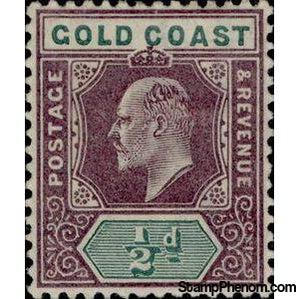
The coronation of Edward VII and his wife, Alexandra, as king and queen of the United Kingdom and the British Dominions took place on August 9, 1902, at Westminster Abbey, London. This grand event was initially scheduled for June 26 but was postponed due to the King’s illness, which required immediate surgery for an abdominal abscess.
In contrast to the coronation of Queen Victoria, Edward’s mother, 64 years earlier, this ceremony was meticulously planned to reflect the grandeur and culture of the British Empire at its zenith. It was not only a significant spectacle but also a solemn religious occasion.
Edward, affectionately known as "Bertie," was the second child and eldest son of Queen Victoria and Prince Albert. He was the Prince of Wales and heir apparent for nearly 60 years. During his mother’s long reign, he faced exclusion from political influence, which led him to embody the lifestyle of the leisured elite. He married Princess Alexandra of Denmark in 1863, and together they had six children. Edward’s public duties as Prince of Wales included ceremonial engagements throughout Britain and international visits, with notable tours to North America in 1860 and the Indian subcontinent in 1875, both of which were met with enthusiasm. Despite his popularity, his reputation as a playboy led to a strained relationship with his mother.
Upon Queen Victoria's death in 1901, Edward ascended to the throne and quickly became known as an effective constitutional monarch. His reign played a crucial role in revitalizing the British monarchy's public image. Edward was instrumental in modernizing the British Home Fleet and reorganizing the British Army after the Second Boer War (1899-1902). He reinstated traditional royal ceremonies and expanded the social circles of royalty, fostering relationships with various social classes.
One of Edward's notable achievements was promoting good relations between Britain and other European nations, particularly France, earning him the nickname "Peacemaker." However, his relationship with his nephew, German Emperor Wilhelm II, was notably poor.
The Edwardian era, named after him, symbolized the dawn of a new century that brought about significant technological and societal changes, including steam turbine propulsion and the rise of socialism. Edward's reign was cut short by his death during a constitutional crisis, which was later resolved by the Parliament Act of 1911, limiting the power of the unelected House of Lords. He was succeeded by his only surviving son, George V.
For stamp collectors, the coronation of Edward VII and Alexandra represents a pivotal moment in British history, reflected in various commemorative stamps celebrating their reign and the Edwardian era. These stamps are not just collectibles but also pieces of history that capture the essence of a transformative period in the British monarchy.
For more details, you can visit this website.