

Celebrating Freedom: The Historic Significance of June 19, 1865!
Juneteenth, officially known as Juneteenth National Independence Day, is a significant federal holiday in the United States, observed annually on June 19. This day marks the end of slavery in the United States, specifically commemorating June 19, 1865, when Major General Gordon Granger enforced the Emancipation Proclamation in Texas, effectively freeing the last remaining enslaved people in the nation.
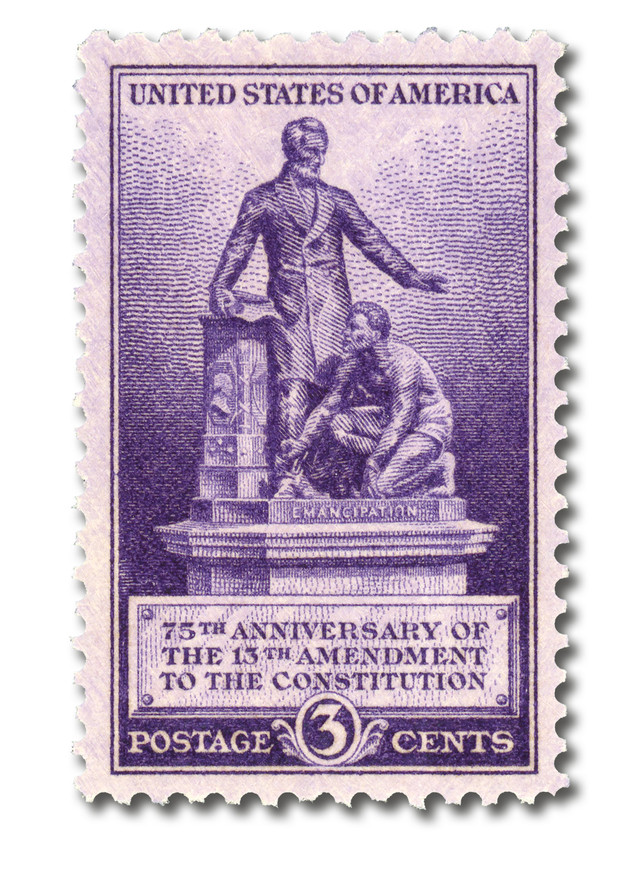
The term "Juneteenth" is a combination of "June" and "nineteenth," and it reflects the historical importance of this date. Following the Civil War, slavery was abolished in various regions at different times, culminating in the ratification of the Thirteenth Amendment in December 1865. This amendment legally abolished slavery throughout the United States.
Celebrations of Juneteenth began in 1866, initially as church-centered gatherings in Texas. As the years progressed, these celebrations spread across the South, particularly among newly freed African Americans and their descendants. By the 1920s and 1930s, the holiday had evolved into a more commercialized event, often featuring food festivals. The Great Migration saw these celebrations expand nationwide, contributing to a richer cultural tapestry.
During the Civil Rights Movement of the 1960s, Juneteenth gatherings were somewhat overshadowed by the fight for civil rights. However, interest in the holiday surged again in the 1970s, highlighting African American heritage and artistic expression. The recognition of Juneteenth continued to grow, with Texas being the first state to officially recognize it in 1938, followed by legislation in 1979 that acknowledged the holiday in every U.S. state and the District of Columbia.
In 2021, Juneteenth was designated as a federal holiday when the 117th U.S. Congress passed the Juneteenth National Independence Day Act, signed into law by President Joe Biden. This historic moment marked the first new federal holiday since Martin Luther King Jr. Day was established in 1983.
For collectors of stamps, the recognition of Juneteenth offers a unique opportunity to celebrate and commemorate this pivotal moment in American history. Stamp collectors can look for commemorative stamps that honor Juneteenth, which can serve as a symbol of freedom and the ongoing journey toward equality.
Furthermore, Juneteenth is also celebrated by the Mascogos, descendants of Black Seminoles who escaped from slavery in 1852 and settled in Coahuila, Mexico, adding another layer to its historical significance.
In conclusion, Juneteenth represents not just the end of slavery, but a celebration of African American culture, resilience, and the ongoing quest for equality. It encourages reflection on the past and inspires hope for the future.
For more information, visit this website.