

Blooming Friendship: The Sweet Story of Cherry Trees by the Potomac
The National Cherry Blossom Festival has deep historical roots, beginning in late 1934 under the joint sponsorship of various civic groups and becoming an annual national event in 1935. At that time, the cherry trees had already become a cherished symbol in the nation’s capital.
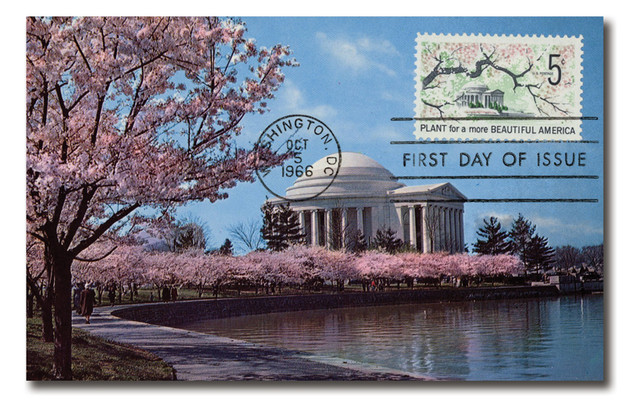
One moment of significance occurred in 1938 when plans to cut down cherry trees for the Jefferson Memorial led to public protest, illustrating the trees' importance to community identity and heritage. This public outcry led to the planting of more trees, framing the Memorial beautifully.
As a gesture of goodwill, the Garden Club of America celebrated the 25th anniversary of the cherry trees gift from Japan by sending 5,000 flowering trees back to Japan in 1937, notably to Prince Tokugawa, who had played a key role in their original gifting in 1912.
During World War II, a dark period for the cherry trees ensued, highlighted by the cutting down of some trees in 1941, linked to the tensions following the Pearl Harbor attack. To discourage further vandalism, trees were referred to as "Oriental" flowering cherry trees during the war period. The festival was paused but resumed in 1947 with renewed support from local organizations.
A significant milestone was reached in 1948 with the establishment of the Cherry Blossom Princess and U.S. Cherry Blossom Queen programs, promoting cultural exchange and community participation. The national connection continued as Japan sought assistance in restoring cherry tree grooves post-war, illustrating ongoing friendship between the two countries.
In 1954, a historic Japanese lantern was gifted to Washington by the governor of Tokyo, symbolizing the enduring friendship fostered through the cherry trees. Similarly, subsequent gifts from Japan, such as the Mikimoto Pearl Crown in 1957 and further donations of cherry trees, fortified this bond.
Over the years, the festival grew in size and significance, expanding to two weeks in 1994 to encompass the vibrant activities surrounding the cherry blossoms' bloom. The commitment to preserving the genetic heritage of the original trees continued into the late 90s and beyond, ensuring that future generations could enjoy the beauty of these historical trees.
For stamp collectors, the history of the cherry blossom trees represents not just a floral tribute but a story of cultural exchange and friendship between the U.S. and Japan. Stamps commemorating this festival and the cherry blossoms are emblematic of a shared heritage and are a delightful addition to any collection.
For more detailed information, you can visit this website.
Phenom Stores LLC is an affiliate partner for eBay.com and receives a commission on all purchases made through eBay.com.