

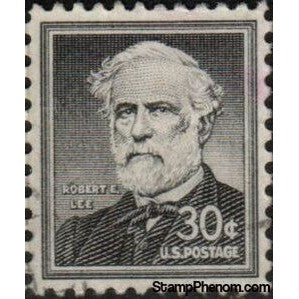
The critical decisions made during May and June of 1863 marked pivotal moments in the American Civil War, particularly after General Robert E. Lee's significant victory at the Battle of Chancellorsville. At this time, the Confederate forces were struggling on the western front, unable to effectively counter General Ulysses S. Grant's campaign against Vicksburg. While military advisers urged President Jefferson Davis to focus on Vicksburg, Lee instead convinced Davis to authorize another invasion of the North, aiming to gather supplies from Pennsylvania and demonstrate the South's might.
Lee's decision to invade the North ultimately proved detrimental, leading to the loss of Confederate control over western regions and almost costing Lee his army. In June, he initiated the Gettysburg campaign by crossing the Potomac River into Maryland. Union General Joseph Hooker pursued Lee but was soon replaced by General George G. Meade just days before the two armies clashed at Gettysburg in early July, which resulted in the highest casualties of the Civil War.
On the first day of battle, both sides were surprised, with Confederates initially pushing back Union troops. However, missed opportunities by Confederate leadership, particularly General Ewell, prevented them from seizing key terrain. The second day saw the Confederates taking too long to assemble, leading to unsuccessful assaults on the Union's left flank.
The third day was disastrous for Lee, as he chose to launch a frontal assault—known as Pickett's Charge—against the center of the Union line, going against the advice of General Longstreet. This charge resulted in severe Confederate losses, leading Lee to acknowledge his responsibility for the defeat. Ultimately, he was forced to withdraw and managed to escape Meade's pursuit back to Virginia.
In the aftermath, Lee submitted a letter of resignation to President Davis on August 8, 1863, feeling the weight of defeat. However, Davis refused to accept it. Although Lee and Meade would meet again in minor campaigns later that year, the Confederate Army never fully recovered from the losses sustained at Gettysburg. Historian Shelby Foote famously remarked that Gettysburg was the price the South paid for having Lee as their commander.
These events emphasize the importance of strategic decision-making in leadership, both in military contexts and in broader life lessons. For stamp collectors, the significance of historical events such as these can be reflected in the stamps commemorating battles, leaders, and pivotal moments of the Civil War.
Check out this YouTube video on The Day Robert E. Lee Almost Resigned
Source: website