

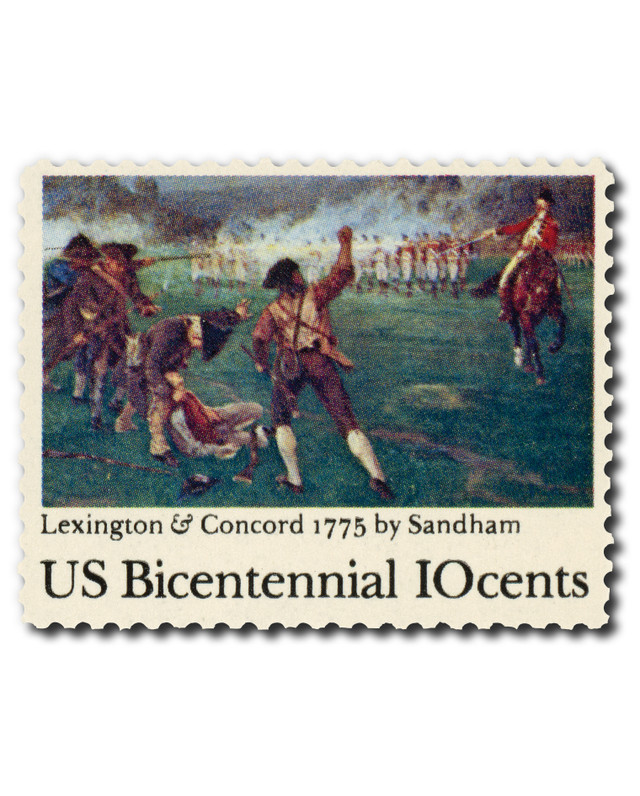
The American Revolutionary War
The American Revolutionary War (April 19, 1775 – September 3, 1783), also known as the Revolutionary War or American War of Independence, was a pivotal conflict in which American Patriot forces, organized as the Continental Army and led by George Washington, successfully defeated the British Army. The war unfolded across North America, the Caribbean, and the Atlantic Ocean, with uncertain outcomes until Washington's decisive victory at the Siege of Yorktown in 1781 catalyzed the British government to negotiate an end to hostilities.
This conflict emerged following the British Empire's dominance in North America, which was solidified post the Seven Years' War. The relationship between the British and the Thirteen Colonies soured due to legislative acts like the Stamp and Townshend Acts, leading to military tensions exemplified by incidents such as the Boston Massacre in 1770. The situation escalated in 1774 with the imposition of the Intolerable Acts, prompting the first battles of the war at Lexington and Concord in April 1775.
The formation of the Continental Army in June 1775 laid the groundwork for organized resistance. George Washington's leadership was pivotal, steering the young army through a series of trials. A pivotal moment was the siege of Boston in early 1776, which saw the Continental Army drive British forces out of the city.
Despite early victories, the British under General Howe captured New York City in November 1776. However, Washington's cunning tactics, including the surprise victories at Trenton and Princeton, marked critical turns in the war's momentum.
The victory at Saratoga in October 1777 was significant as it encouraged foreign powers, notably France and Spain, to support the American cause. This alliance drastically shifted the war's dynamics against the British. By 1781, the conflict decisively swung in favor of the Americans, culminating in Cornwallis’s surrender at Yorktown, thanks to coordinated efforts with French forces.
The war concluded formally with the Treaty of Paris in September 1783, wherein Great Britain acknowledged the independence of the United States. This development not only solidified the newly formed nation’s identity but also had profound implications for global geopolitics as the former colonies established themselves as a sovereign nation.
Key takeaways for stamp collectors include the historical significance of the Revolutionary War, as stamps issued during this period often highlight monumental events and figures such as George Washington, the Declaration of Independence, and battles like Yorktown. Collecting related stamps not only provides a glimpse into history but also preserves the legacy of the struggles for independence.
Phenom Stores LLC is an affiliate partner for eBay.com and receives a commission on all purchases made through eBay.com.