

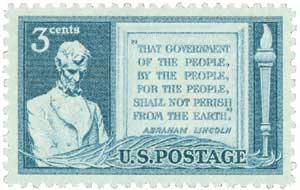
This Day in History: Abraham Lincoln delivers his Gettysburg Address
The Gettysburg Address, delivered by President Abraham Lincoln on November 19, 1863, is one of the most significant speeches in American history. It was given at the dedication of Soldiers' National Cemetery, established to honor those who fought in the Battle of Gettysburg—one of the Civil War's most pivotal conflicts. In under two minutes and with just 271 words, Lincoln emphasized the principles of liberty and equality, linking the fight against the Confederacy to the fundamental values of the nation.
During this brief yet powerful address, Lincoln remembered the sacrifices of the soldiers who died at Gettysburg, arguing that their deaths should inspire the living to ensure that the nation survives and flourishes. He famously declared that the nation should have a "new birth of freedom" and reinforced the idea of a government that is "of the people, by the people, for the people." This encapsulates his call for unity and remembrance in the wake of loss.
While Lincoln's address was not initially recognized as remarkable, its significance grew over the years, eventually becoming a cornerstone of American national purpose. The Gettysburg Address was popularized in schools and memorialized at the Lincoln Memorial, which opened in 1922, allowing it to be etched in the collective memory of the United States. This speech resonates deeply with themes of sacrifice, equality, and national identity.
Source: Gettysburg Address