

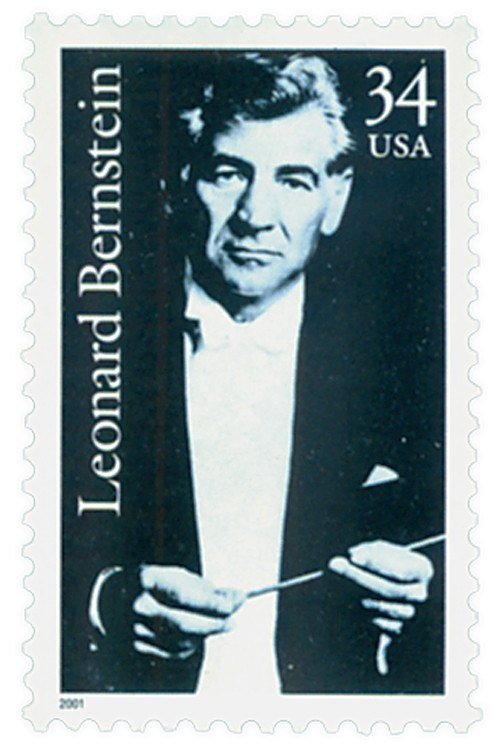
Leonard Bernstein: A Musical Legacy
Leonard Bernstein, born Louis Bernstein on August 25, 1918, was an influential American conductor, composer, and pianist. Recognized as one of the most significant conductors of the 20th century, he gained international fame as the first American-born conductor to lead a major symphony orchestra. Bernstein's remarkable contributions to music earned him numerous accolades, including seven Emmy Awards, two Tony Awards, and 16 Grammy Awards. His impact on both classical and popular music is profound, with notable works like the Broadway musical West Side Story continuing to resonate with audiences worldwide.
As a versatile composer, Bernstein created a wide range of musical works spanning various genres from symphonic and orchestral compositions to theater and film scores. His notable pieces include the symphonies Serenade and Chichester Psalms, as well as the original score for the film On the Waterfront. Bernstein's role as music director of the New York Philharmonic facilitated his commitment to reviving the works of composers such as Gustav Mahler, further solidifying his legacy in the classical music community. Additionally, he was known for his efforts to make classical music accessible through television programs like Young People's Concerts.
Beyond his musical achievements, Bernstein was deeply committed to humanitarian causes, advocating for civil rights and peace initiatives. He used his platform to raise awareness on issues such as nuclear disarmament and HIV/AIDS. His performance of Beethoven's Symphony No. 9 in Berlin on Christmas Day 1989 symbolized the end of the Cold War and the fall of the Berlin Wall, marking a significant moment in history. Bernstein's multifaceted legacy as a musician and activist continues to inspire new generations.
For more information about Leonard Bernstein, visit Wikipedia.